On 1 & 2 November 2017, the CSTL programme facilitated a highly successful exchange visits by delegates from three SADC Member States to Mpumalanga Province in South Africa.
Exchange visit-Mpumalanga (PDF)

Care and Support for Teaching and Learning
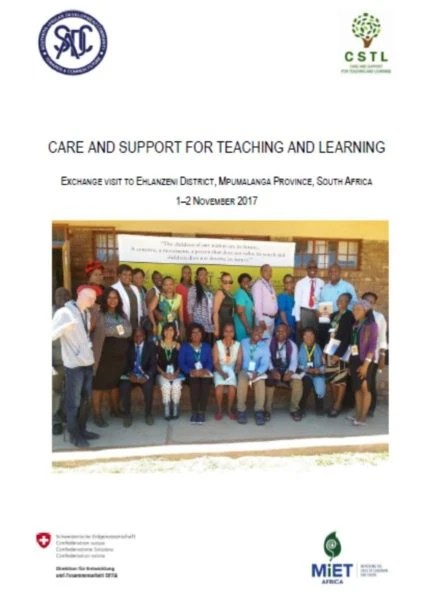
On 1 & 2 November 2017, the CSTL programme facilitated a highly successful exchange visits by delegates from three SADC Member States to Mpumalanga Province in South Africa.
Exchange visit-Mpumalanga (PDF)
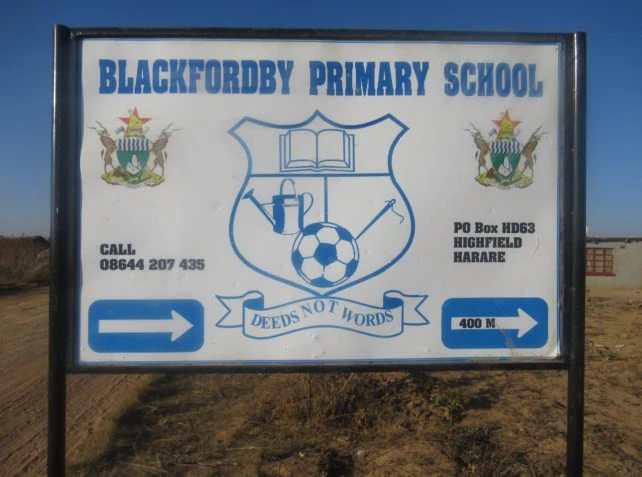
CSTL makes an impact at Blackfordby Primary School
The story of Blackfordby, a primary school in Zimbabwe, provides just one example of how the Care and Support for Teaching and Learning (CSTL) programme has impacted on a school and its community. Through CSTL, much has changed for the better at the school.
Improving infrastructure
With the help of community members, the school has constructed six additional classrooms and an ECD block is nearing completion. The School Development Committee (SDC) has built Blair toilets for both boy and girl learners.
Promoting good nutrition and health
CSTL has assisted the school to establish a nutrition garden and a greenhouse. This has allowed the school to implement a feeding scheme for the ECD and Grades 1 and 2 learners, and other vulnerable learners. Fruit and vegetables produced are sold to the community and local shops,
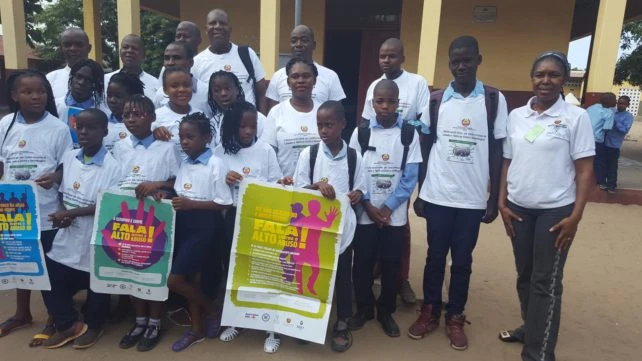
Psychosocial support at Escola Primaria Magoanine A
Through its adoption of the Care and Support for Teaching and Learning Programme (CSTL), the Mozambique Ministry of Education (MoE) has become aware of the importance of establishing service delivery partnerships with other governmental ministries, as well as non-governmental organizations and the private sector. Through these multisectoral partnerships, the MoE has facilitated the delivery of essential services and support for learners at the school level. One of the many schools that has benefited from this action is EPC Magoanine Primary School.
EPC Magoanine A is a large primary school with an enrolment of nearly 4 800 (over 2 200 girls and 2 500 boys). Before the introduction of CSTL, many of the learners were underperforming. This was largely due to the lack of psychosocial and other support services required to help these vulnerable children deal with the many learning barriers confronting them.
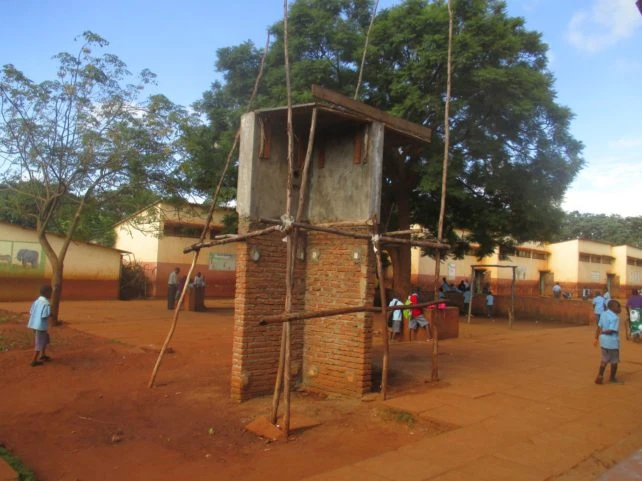
Chingoli Primary School puts CSTL into practice
After being included in the Care and Support for Teaching and Learning (CSTL) Programme at the start of 2016, Chingoli Primary School has put CSTL principles into practice to support vulnerable learners.
Material support to vulnerable learners
Firstly, Chingoli has introduced a programme to provide material support to needy students for example, by providing them with school uniforms.
After they attended the CSTL training, teachers contacted partners and the business community to raise funds to buy materials to make uniform for learners. The school has also set aside one day a month when teachers and students alike make a voluntary contribution to the fund for this.
Formation of partnerships
The CSTL Programme has encouraged schools to form partnerships, and Chingoli School approached various organizations to join hands in caring and supporting vulnerable children.
During June, the Mozambique Ministry of Education (MoE) hosted CSTL partners. The visitors included representatives from the following funding and implementing partners: the Swiss Agency for Development and Cooperation (CSTL funding partner), represented by Mr Christian Engler and Lawrence Lewis; and MIET AFRICA (CSTL implementing partner), represented by Lucas Chachine (Board member), Lynn van der Elst (CEO), Pontsi Buthelezi (CSTL team leader) and Sindi Zulu (CSTL Regional Coordinator).
The visit commenced with a meeting at the MoE headquarters in Maputo, where the MoE’s Director of Health and Nutrition, Dr Arlinda Chaquisse, gave a presentation on the progress of CSTL in the country. She highlighted the strong collaboration between government and non-government partners in the strengthening of the education system, using CSTL as an overarching framework to guide the MoE’s response to addressing learning barriers faced by children and youth. Dr Chaquisse shared how CSTL has been contextualized to address priorities in Mozambique,
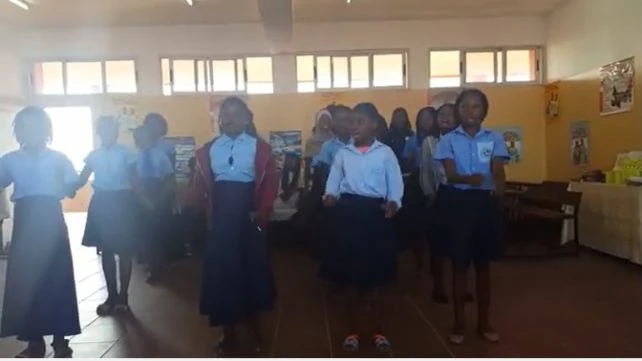
The Mozambique CSTL song:
Group: Activists CSTL in SADC- the Africa child
Criança bem cuidada é a razão de um país próspero em toda África austral.
Não custa nada, temos que ensinar com cuidado e paciência porque é de nós que ela ergue boas intenções.
Cuidados e apoio traz esperança para crianças africanas, ao ensino e aprendizagem.
CSTL traz mudanças em todas as áreas de vulnerabilidade.
O quadro geral, o guarda-chuva, a escola é a porta e o centro para os cuidados de integração e apoio.
Care and support brings hope to the child in Africa to teaching and learning.
CSTL brings change in all the areas of vulnerability.
The overarching framework,
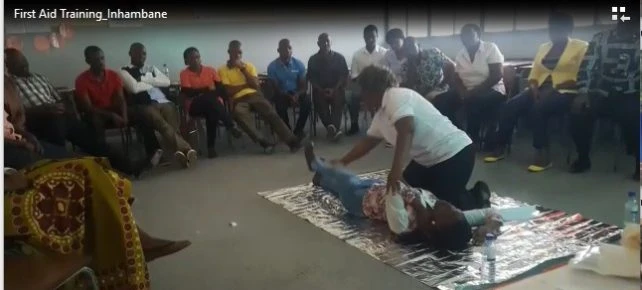
As part of the capacity-building of teachers, the Mozambique Ministry of Education recently provided training to teachers in the Inhambane Province on the CSTL Essential Package of Care and Support.
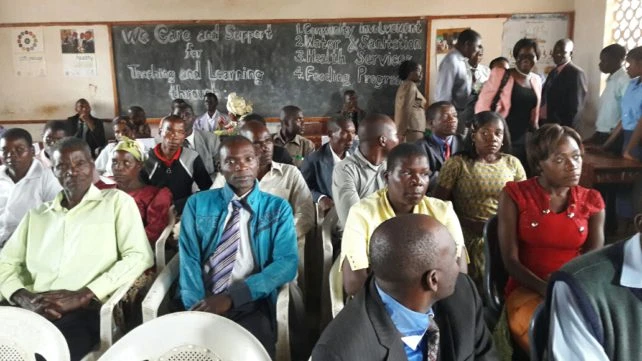
On 9 May, the Malawian Ministry of Education, Science and Technology hosted a visit by SDC and MIET AFRICA (CSTL’s funding and implementing partners, respectively) to two CSTL laboratory schools.
This report by MIET AFRICA’s CEO, Lynn van der Elst
Chingoli is a large primary school (Grades 1–8), with an enrolment of over 2000 learners, who are drawn from a severely impoverished area outside Blantyre. The school was physically destroyed by the floods in 2015, and since then has been operating out of a church hall and tents provided by UNICEF, while it awaits the building of new premises.
During the visit, the principal, teachers, parents and learners all testified about the transformation the school experienced regarding how learners are treated since the introduction of CSTL. Furthermore, we saw the value that CSTL capacity-building has had for the teachers and learners:
The presentations that were done at the CSTL Sharing Meeting, held in Durban in November 2016, have been uploaded.
You can view them here: Click here to see the list of documents
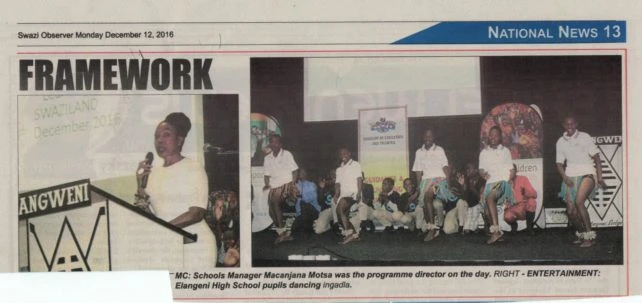
The following article is from: Swazi Observer, Monday December 12, 2016
… ‘Countries must make secondary school more affordable’
SADC countries are required to make primary education free, pre-primary and secondary school more affordable, through comprehensive schooling polices that address all education costs.
SADC is the Southern African Development Community.
This will include fees, transport and school uniforms and compensate schools adequately for maintaining good educational quality.
According to the Southern African Development Community (SADC) policy framework on care and support for teaching and learning, all countries under the SADC should adopt and implement the framework.
On that note, Director of Education Dr Sibongile Mtshali said primary school attendance remained a challenge, resulting in 20 per cent of enrolled children not completing their education.
Mtshali was speaking at Esibayeni Lodge on Thursday during the official launch of the SADC framework.